
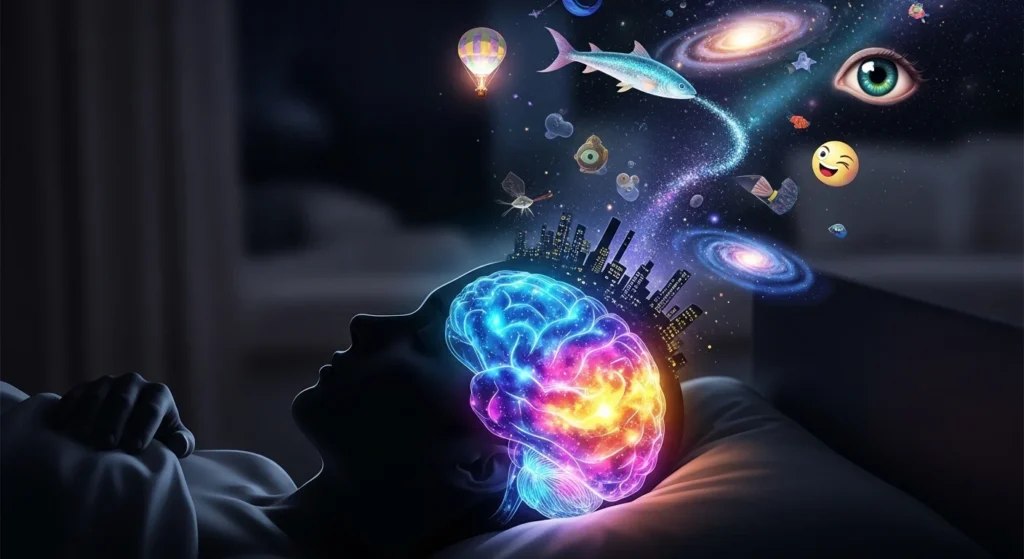
Have you ever woken up feeling like you just lived an entire movie in your sleep? If you’re asking, “why do I have such vivid dreams?”, you’re not alone. Vivid dreams can be fascinating, thrilling, or sometimes downright confusing. People often search this topic because they want to understand the science behind their nightly adventures and what these dreams might reveal about their emotions, health, or even daily life. Whether you’re a curious teen, a young adult navigating late-night thoughts, or a regular dating app swiper pondering dream symbolism, knowing why your dreams feel so real can make your sleep more intriguing—and your mornings more insightful.
Vivid dreams aren’t just random flickers of imagination—they play a key role in emotional processing, memory, and creativity, making them a fun conversation starter or a topic for deep self-reflection. Let’s explore the science, the psychology, and even some playful ways to connect these dreams with everyday life.
Causes of Vivid Dreams Explained 🧠✨
Experiencing intense REM sleep cycles.
High levels of stress or anxiety affecting dream patterns.
Taking certain medications that influence the brain.
Sleep deprivation followed by recovery sleep (aka “REM rebound”).
Consuming alcohol or caffeine close to bedtime.
Diet changes that affect neurotransmitters.
Mental health conditions like depression or PTSD.
Hormonal fluctuations, especially in teens and young adults.
Creative thinking tendencies making dreams more detailed.
Lucid dreaming practices that enhance awareness.
Nighttime sensory experiences influencing dream content.
Watching intense movies or playing games before bed.
Supplements like melatonin impacting REM intensity.
Changes in environment, like sleeping in a new place.
Sleep disorders like narcolepsy or sleep apnea.
Emotional processing of unresolved conflicts.
Genetic predispositions toward vivid dreaming.
Meditation or mindfulness affecting dream clarity.
Dream journaling, which can increase dream recall.
Random brain activity, because sometimes dreams just happen!
Common Themes in Vivid Dreams 🛌🎭
Flying through the sky—feeling unstoppable.
Being chased—adrenaline-pumping scenarios.
Falling endlessly—losing control.
Meeting celebrities or crushes.
Attending strange, impossible events.
Talking animals or magical creatures.
Reliving childhood memories vividly.
Being late for important events.
Romantic encounters that feel real.
Losing teeth—classic anxiety symbol.
Transforming into someone else.
Traveling to unknown places.
Unexpected exams or tests.
Discovering hidden talents.
Winning the lottery or sudden fortune.
Facing natural disasters.
Experiencing superpowers.
Receiving secret messages.
Exploring futuristic worlds.
Having prophetic or symbolic dreams.
How Sleep Patterns Affect Dream Vividness 🌛💤
Longer REM stages increase vividness.
Interrupted sleep can enhance recall.
Napping boosts short, intense dreams.
Late-night sleep often produces richer imagery.
Irregular schedules can trigger bizarre dreams.
Sleep deprivation can cause dream “overload.”
Oversleeping may produce dreamy confusion.
Consistent bedtime routines stabilize dream patterns.
Deep sleep vs. REM balance matters.
Evening screen exposure affects dream content.
Blue light can reduce melatonin, altering dreams.
Warm room temperatures may increase REM activity.
Cool rooms often produce calmer dreams.
Sleep cycles of 90 minutes align with REM peaks.
Tracking sleep stages enhances dream recall.
Mindful breathing before bed aids dream clarity.
Avoiding late meals can prevent chaotic dreams.
Journaling before sleep may trigger thematic dreams.
Alcohol interrupts sleep architecture, altering dream intensity.
Medications like antidepressants shift REM timing.
Psychological Reasons for Vivid Dreams 🧩🌀
Processing daily stress and anxiety.
Reflecting subconscious desires.
Working through relationship issues.
Coping with trauma or PTSD.
Strengthening memory consolidation.
Enhancing problem-solving skills.
Stimulating creative thinking.
Expressing repressed emotions.
Projecting self-identity struggles.
Preparing for future challenges.
Exploring personal fears safely.
Experimenting with social scenarios.
Heightening self-awareness.
Connecting fragments of memories.
Manifesting hidden anxieties.
Processing work or school pressures.
Reflecting daily interactions.
Engaging with unresolved conflicts.
Testing moral or ethical decisions.
Showing subconscious wants vs. needs.
Foods and Substances That Influence Dream Vividness 🍫☕
Cheese before bed—classic folklore.
Spicy foods increasing metabolism and dreams.
Chocolate boosting serotonin levels.
Caffeine affecting REM cycles.
Alcohol causing disrupted but vivid dreams.
Sugary snacks leading to erratic brain activity.
Herbal teas like chamomile promoting relaxation.
Melatonin supplements intensifying dreams.
Vitamin B6 linked to vivid dream recall.
High-protein snacks before sleep.
Bananas affecting neurotransmitters.
Nuts providing tryptophan for better REM.
Avocado for healthy fat aiding brain function.
Omega-3 rich foods for vivid imagery.
Cherry juice boosting melatonin.
Dairy milk influencing serotonin.
Complex carbs regulating sleep cycles.
Water intake preventing dehydration-induced vividness.
Avoiding heavy meals reduces chaotic dreams.
Balanced diet overall supports consistent REM patterns.
How Stress and Anxiety Trigger Vivid Dreams 😰💫
Increased nighttime brain activity.
Heightened cortisol levels influencing REM.
Overthinking before bed producing storyline dreams.
Work or school pressures manifesting as symbolism.
Relationship stress appearing in romantic dream themes.
Financial worries creating problem-solving dream scenarios.
Unresolved conflicts showing up as vivid scenes.
Social anxiety turning into public embarrassment dreams.
Fear of failure causing repeated motifs.
Physical tension translating into dream intensity.
Panic attacks sometimes leading to nightmare bursts.
Trauma triggers shaping vivid recall.
Mental exhaustion producing detailed visual dreams.
Overstimulation from screens or media.
Existential stress producing surreal dream worlds.
Chronic anxiety increasing frequency of dreams.
Sleep disturbances exacerbating intensity.
Meditation or relaxation techniques sometimes heightening dream awareness.
Dream journaling amplifying emotional insight.
Talking about worries before bed influencing dream content.
Fun Ways to Embrace Your Vivid Dreams 🎨🌈
Start a dream journal every morning.
Practice lucid dreaming techniques.
Share dream stories with friends or online communities.
Create art inspired by dreams.
Write poetry or short stories based on dream themes.
Use dream symbolism in personal reflection.
Explore guided meditation for dream recall.
Try bedtime visualization exercises.
Record dreams using voice memos.
Incorporate music to influence dream mood.
Use dream apps to track patterns.
Create a dream-inspired playlist.
Use aromatherapy to shape dream ambiance.
Map recurring dream motifs for insight.
Experiment with napping for vivid experiences.
Try color-focused dream experiments.
Connect dreams to goal-setting exercises.
Create a dream collage from sketches or images.
Explore cultural dream interpretations.
Celebrate dreams as daily inspiration.
FAQs
Q1: Are vivid dreams normal?
Yes! Most people experience vivid dreams occasionally. They often occur during REM sleep and can be influenced by stress, diet, or medication.
Q2: Can vivid dreams indicate health issues?
Sometimes. Frequent or intense vivid dreams may be linked to sleep disorders, anxiety, depression, or medication effects. Consulting a sleep specialist is wise if they disturb daily life.
Q3: How can I remember my dreams better?
Keep a dream journal, write down details immediately upon waking, and maintain a consistent sleep schedule. Lucid dreaming techniques also enhance recall.
Q4: Do vivid dreams have meanings?
While not all dreams are prophetic, they often reflect your emotions, experiences, and subconscious thoughts. Symbolic dreams can provide insight into your personal life.
Q5: How can I reduce disturbing vivid dreams?
Minimize stress, avoid late caffeine/alcohol, maintain sleep hygiene, and practice relaxation before bed. Mindfulness and therapy can help if nightmares persist.
Conclusion 🌟💤
Vivid dreams are a fascinating glimpse into your subconscious, offering insights, creativity, and even entertainment. By understanding the causes, themes, and influences behind your dreams, you can embrace them as a source of personal reflection or playful storytelling. Whether you’re journaling, sharing with friends, or simply marveling at the nightly adventures, knowing why you have such vivid dreams empowers you to turn them into fun, meaningful, and memorable experiences. So sleep well, dream vividly, and wake up inspired!