
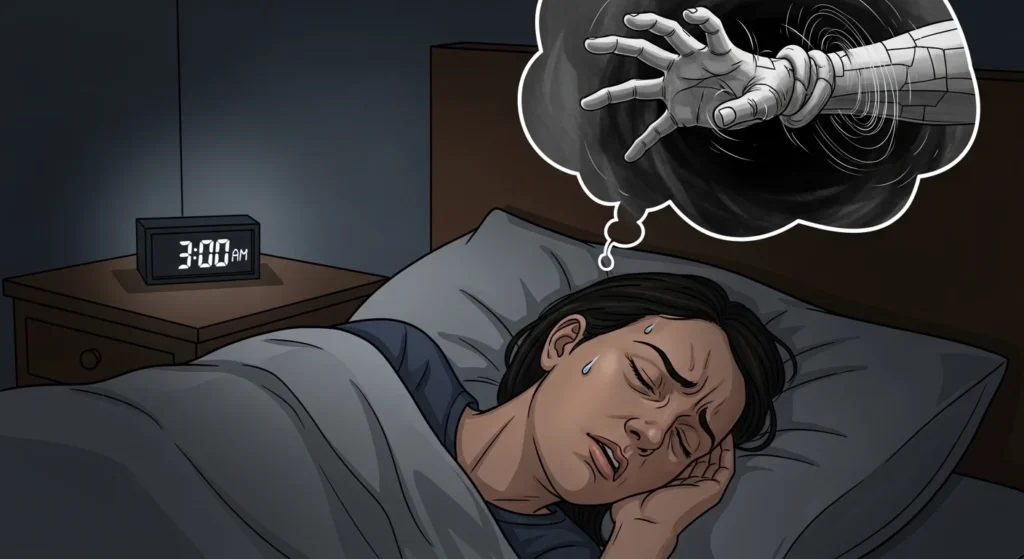
Have you ever woken up from a dream with a strange ache or discomfort and wondered, “Is it normal to feel pain in dreams?” You’re not alone! Many people experience this curious phenomenon, and it sparks questions about how our minds and bodies connect while we sleep. Understanding this can not only make your dreams more fascinating but also give you an edge in conversations about sleep, psychology, or even just sharing a funny dream story with friends.
Dreams are like playgrounds for the mind—sometimes serene, sometimes bizarre, and occasionally painful. But why does this happen? Is it your body sending signals, or your brain just getting a little too creative? Let’s explore the playful, scientific, and conversational sides of feeling pain in dreams.
Feeling Physical Pain in Dreams: Causes & Fun Facts
“Ouch! Is this real?” Sometimes dreams mirror real physical sensations from your body.
Muscle twitches and spasms can sneak into your dreams as stubs or bumps.
Headaches in dreams? Yup, your brain might exaggerate minor tension.
Tooth pain dreams often reflect anxiety or oral discomfort.
Falling sensations often come with phantom aches.
Burning sensations may mirror your actual body temperature.
Pinched nerve dream pain: your sleeping position matters.
Foot cramp dreams can make you literally wake up hopping.
Painful dreams and stress: stress can heighten dream intensity.
Phantom limb pain sometimes shows in dream scenarios.
Back pain in dreams can mimic spinal tension.
Stomach ache dreams may relate to digestion or anxiety.
Dreaming of injury can reflect subconscious fears.
Joint pain in dreams is often tied to real stiffness.
Heart pain in dreams is usually emotional symbolism.
Pain in dreams and REM sleep: REM heightens sensations.
Pain dream triggers: caffeine, alcohol, or medication.
Recurring pain dreams hint at unresolved stress.
Injury-free dreams can still feel painful due to empathy.
Dream journaling: noting pain helps you notice patterns.
Why Some People Experience Pain in Dreams More Than Others
“Do I dream more painfully than my friends?” Maybe!
Stress levels can make pain more vivid.
Sleep disorders often amplify dream sensations.
High sensitivity to pain carries over into dreamland.
Nightmares commonly feature sharp pain.
Medication effects can cause vivid pain dreams.
Emotional trauma may appear as physical pain.
Lucid dreaming practice can intensify sensations.
Sleep deprivation triggers stronger pain in dreams.
Caffeine or sugar spikes may trigger discomfort.
Genetics may influence dream sensitivity.
Injury history can resurface in dream pain.
Anxiety disorders often create pain-filled dreams.
Painful dreams as warnings: sometimes protective instincts.
Hormonal changes may amplify dream sensations.
Temperature extremes can lead to “burning” or “cold” pain.
Pregnancy dreams sometimes include physical discomfort.
Vivid imaginations correlate with heightened dream pain.
Depression or mental health can color dream experiences.
Dream recall makes painful dreams feel more intense.
Pain in Dreams and Its Connection to Stress
Tension headaches in dreams reflect daytime stress.
Falling or crashing dreams often cause phantom aches.
Burning or stabbing sensations can mimic stress symptoms.
Teeth falling out dreams = oral + stress symbolism.
Muscle pain dreams might mirror actual stress-induced tension.
Emotional pain shows physically in some dreams.
Nightmares often spike cortisol, intensifying dream pain.
Work-related stress dreams sometimes show as back or joint pain.
Relationship stress dreams may cause heart or stomach pain.
Academic stress dreams sometimes include head aches.
Social anxiety dreams can show as pins & needles.
Financial stress dreams may feel physically heavy.
Exercise stress or overtraining can show as limb pain.
Pre-sleep worry amplifies pain in dreams.
Overthinking dreams = mental pain = physical pain in dreams.
Daily stress accumulation peaks in REM sleep.
Overloaded nervous system = more vivid pain dreams.
Mind-body connection makes pain dreams real-feeling.
Visualization of fear often triggers phantom aches.
Dream meditation can reduce pain intensity.
Fun & Playful Pain-Related Dream Wishes
May your stubbed toe in dreams turn into a magical bounce 🦄.
Wish your headaches transform into rainbow sparkles 🌈.
May your falling dreams end in soft clouds of laughter ☁️.
Dreaming of burns? May fire turn to warm cocoa 🍫.
Wish pinched nerves feel gentle feather hugs 🪶.
May stomach aches become ticklish belly giggles 😂.
Heartache in dreams? May it turn into a dancing cupid 💘.
May cramps transform into smooth ocean waves 🌊.
Joint pain dreams? May they become a break-dance party 🕺.
Toothache dreams? May sugar-free candy fix it 🍬.
Phantom limb pain? May it tickle with invisible feathers 🪶.
Back pain dreams? May pillows turn into soft clouds ☁️.
May nightmares with pain convert to playful adventures 🎠.
Dreaming of falling? May trampoline bounces replace pain 🤸.
May stress-induced dream pain turn into laughter explosions 😂💥.
Wish all sharp sensations transform into confetti showers 🎉.
May vivid pain dreams turn into animated cartoons 🖌️.
Cramps in dreams? May they evolve into gentle stretches 🧘.
May anxiety dreams with pain be soothed by dream pets 🐾.
Heartburn in dreams? May it turn into sweet chocolate rivers 🍫.
How to Reduce Pain in Dreams
Stretch before sleep to relax muscles.
Sleep in comfortable positions to avoid cramps.
Meditation lowers stress levels before bed.
Avoid heavy meals before bedtime.
Hydrate to reduce leg cramps.
Control room temperature to prevent burning/cold sensations.
Sleep masks or earplugs reduce distractions.
Reduce caffeine & alcohol close to bedtime.
Gentle yoga before sleep helps prevent joint pain.
Lucid dreaming techniques can allow control over pain.
Keep a dream journal to spot triggers.
Relaxation music may reduce intensity of painful dreams.
Avoid overthinking before bed.
Massage or foam rolling relaxes tense muscles.
Essential oils like lavender can improve sleep quality.
Warm baths help ease body tension.
Adjust pillows & mattress for spinal comfort.
Progressive muscle relaxation reduces dream pain.
Breathing exercises calm nervous system before sleep.
Talk about stress—mental clarity reduces vivid pain dreams.
Weirdly Funny Pain in Dreams Stories
Falling while tripping on a giant pizza slice 🍕.
Being attacked by dancing cacti 🌵.
Stepping on LEGO mountains 🧱.
Getting stung by cotton candy bees 🍭🐝.
Toe stub in a dream? Turns into a tickle monster 🦶.
Dreaming of flaming tacos 🌮🔥.
Back pain while riding a flying llama 🦙.
Tripping over invisible pancakes 🥞.
Phantom tickles in dream pool party 🏊♂️.
Headache turns into confetti cannon explosion 🎉.
Toothache in a candy shop nightmare 🍬.
Dreaming of falling piano keys 🎹.
Stepping on jelly blobs 🍇.
Pinched nerve dream yoga class 🧘.
Cramped leg while moonwalking 🌙🕺.
Dreaming of fiery hot chocolate spills 🍫🔥.
Back pain while flying superhero style 🦸♂️.
Toe stubbed on invisible robot 🤖.
Falling through rainbow bridges 🌈.
Dreaming of prickly hedgehog hugs 🦔.
Understanding the Psychology Behind Pain in Dreams
Dreams reflect emotional and physical states.
Pain in dreams may symbolize stress or anxiety.
Phantom pains link to past injuries or trauma.
Pain intensity in dreams often matches real-life sensations.
The brain-body connection is stronger during REM sleep.
Stress increases dream vividness and discomfort.
Pain in dreams can serve as a signal for self-care.
Lucid dreamers often notice or control dream pain.
Nightmares with pain may reflect subconscious fears.
Dreams allow creative expression of bodily sensations.
Mindfulness can reduce pain intensity in dreams.
Understanding dream pain enhances sleep quality awareness.
Symbolic dream pain reflects unresolved issues.
Recurring pain dreams may indicate chronic stress.
Pain can act as a wake-up signal for real health issues.
Psychological triggers interact with REM brain activity.
Pain in dreams can inform therapeutic approaches.
Awareness improves control over dream experiences.
Dream pain may be both physical and metaphorical.
Proper sleep hygiene reduces frequency and intensity.
Fun Pickup Lines Inspired by Painful Dreams
“Are you a dream stubbed toe? Because you make my heart hop!” 🦶❤️
“If I could turn your nightmares into cuddles, would you let me?” 🤗
“You must be a dream aspirin, because you cure my pain.” 💊
“Are you REM sleep? Because I feel you all over my body.” 💤
“Are you a nightmare? Because I can’t get you out of my head.” 😈
“Your smile cures my dream aches instantly.” 😁
“Are you a dream pillow? Because you ease my pain.” 🛏️
“If falling in love was a dream, I hope I stub my toe on you.” 🥰
“Are you my lucid dream? Because I control my heart around you.” 💖
“You must be sleep medicine, because you make my heart relax.” 💊
“Even phantom pain dreams can’t hurt me when you’re around.” 🫶
“Are you a dream cloud? Because you soften all my falls.” ☁️
“If my dreams were a game, you’d be the power-up against pain.” 🎮
“Are you REM sleep? Because my body misses you.” 💤
“Your laughter is better than dream therapy.” 😂
“If you were a dream, I’d never want to wake up.” 🌙
“Are you the snooze button? Because you stop my nightmares.” ⏰
“You turn every painful dream into a comedy show.” 🎭
“Even in nightmares, you’d be the plot twist I love.” ✨
“Are you a dream journal? Because I can’t stop thinking about you.” 📖
FAQs
1. Is it normal to feel pain in dreams?
Yes! Feeling pain in dreams is completely normal. Often, your brain mirrors real sensations, stress, or anxiety, making dream pain feel vivid.
2. Can dreams predict real physical pain?
Sometimes. Dream pain can reflect ongoing discomfort or tension in your body, like muscle cramps or headaches. It’s your body’s way of sending signals during sleep.
3. Why do nightmares feel more painful than normal dreams?
Nightmares activate stress and fear centers in your brain, which can intensify pain perception. Higher cortisol levels make sensations sharper.
4. Can controlling dreams reduce pain?
Yes! Lucid dreaming techniques allow you to become aware of the dream and even alter painful experiences, turning discomfort into playful or neutral sensations.
5. When should I be concerned about dream pain?
If pain wakes you frequently or is accompanied by real physical symptoms, consult a doctor. Most dream pain is harmless, but persistent issues may indicate sleep disorders or health concerns.
Conclusion
Feeling pain in dreams is normal and surprisingly fascinating. It’s your mind’s creative way of processing stress, emotions, and even real bodily sensations. Whether it’s a stubbed toe, a burning sensation, or a backache in dreamland, understanding this phenomenon can make your dreams less scary, more playful, and even a fun conversation starter.
So next time you ask, “Is it normal to feel pain in dreams?”, remember: it’s your brain and body having a nightly adventure. Embrace it, laugh at it, and even share your funny dream aches with friends—after all, dream pain can turn into dreamy fun! 🌙✨