
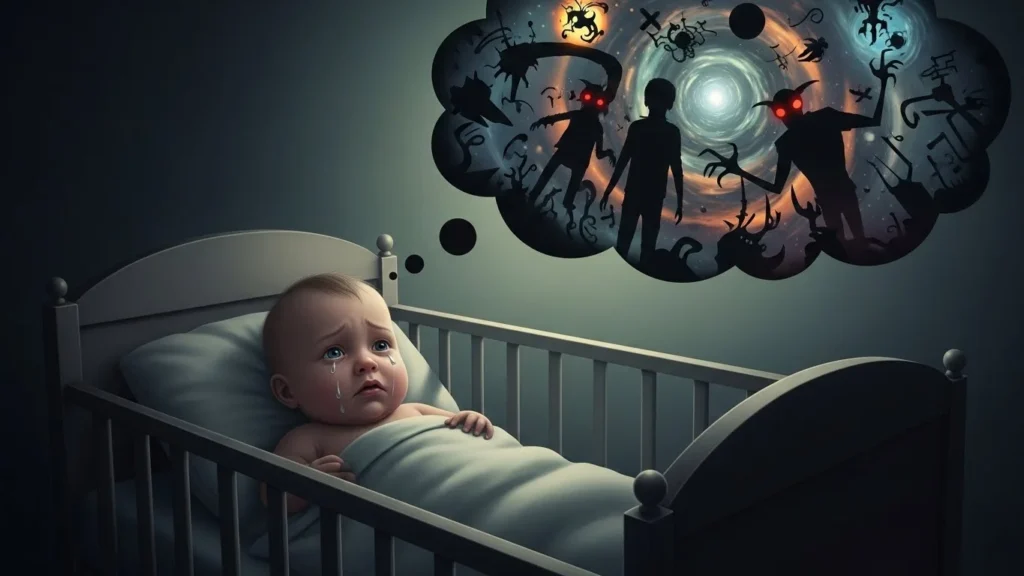
Many new parents wonder can babies have bad dreams. Sleep is crucial for infants, but when they cry suddenly in the middle of the night or seem restless, it’s natural to worry. Understanding your baby’s sleep patterns and emotional development can help you figure out whether your little one is simply stirring or experiencing something akin to a nightmare. In this guide, we’ll explore everything from infant dreams to practical tips for soothing them—plus a playful touch for parents who want to stay lighthearted during sleepless nights.
Can Babies Experience Nightmares During Sleep? 😴
“Even the tiniest dreamers can have stormy nights—sweet dreams, little one.”
“May your dreams be as cozy as your favorite blanket tonight!”
“A little scare can’t shake my love for you.”
“Dream big, little star, and leave the monsters outside.”
“Even nightmares are just practice for bravery.”
“May peaceful dreams find you between every cry.”
“You are safe, loved, and strong—even in dreams.”
“Bad dreams pass quickly like clouds in the sky.”
“Rest easy, little angel, the night is your friend.”
“May your dreams be colorful, never scary.”
“Sleep tight, tiny dreamer, the world waits for your smile.”
“Even in dreams, you are surrounded by love.”
“Monsters can’t enter when hearts are full of warmth.”
“Wishing dreams filled with giggles instead of frights.”
“Every tear in sleep is met with comfort.”
“Little eyes, may you find magic in every dream.”
“Dreams may twist, but love is always straight.”
“May your heart remain light, even in shadowy dreams.”
“Sleep is your playground—no monsters allowed.”
“Rest, little one, tomorrow brings sunshine, not scares.”
Signs Your Baby Might Be Having Bad Dreams 🌙
“Crying suddenly? It may be a bad dream, not hunger.”
“Restless movements could signal dream disturbances.”
“Facial expressions of distress can indicate scary dreams.”
“Spasms or flailing arms in sleep? Possibly a nightmare.”
“Waking up screaming might be your baby’s way of dreaming.”
“Frowning or grimacing while sleeping isn’t unusual.”
“Short bursts of cries followed by calm can indicate brief nightmares.”
“Sleep talking or cooing oddly can accompany unsettling dreams.”
“Eyes moving rapidly in REM sleep may indicate dream activity.”
“Jerky movements in sleep are often harmless but can coincide with dreams.”
“Clinging or needing extra cuddles after waking may signal dream distress.”
“Unusual startles at night may be linked to dream content.”
“Babies may show signs of anxiety even in tiny dreams.”
“Quiet whimpers in sleep could be small nightmares.”
“Babies rarely remember dreams, but distress is real.”
“Shifts in sleep patterns can follow dream-filled nights.”
“Moments of restlessness often pass quickly.”
“Dreams may be influenced by daytime emotions.”
“Soft cries can be their way of processing fear.”
“Cuddles and comfort can erase any lingering bad dreams.”
How Common Are Nightmares in Babies? 🍼
“Not every cry is a nightmare—most are normal awakenings.”
“Nightmares are rare before 1 year but possible.”
“REM sleep is when dreams usually occur—even in infants.”
“Sleep cycles are shorter for babies, making disturbances brief.”
“Some babies may never have a true nightmare.”
“Dreams evolve with age and experiences.”
“Infants may react more to sudden noises than nightmares.”
“Comforting them quickly reduces any fear.”
“Sleep regressions can mimic nightmares but are normal.”
“Tired babies may have more active dreams.”
“Patterns of waking are not always linked to dreams.”
“Parental reassurance is key, even if it’s just fussiness.”
“Night terrors are different and usually appear after 2 years.”
“Most bad dreams in babies are short-lived.”
“Healthy sleep habits minimize sleep disruptions.”
“Sleep associations affect how babies react to dreams.”
“Dream frequency increases with brain development.”
“Scary dreams often fade as understanding grows.”
“Early bonding can reduce nighttime fear reactions.”
“Every baby is unique in dream response.”
Ways to Comfort Your Baby After a Bad Dream 💛
“A gentle hug can erase the remnants of a nightmare.”
“Soft lullabies bring back sweet dreams.”
“Rocking slowly helps them feel secure again.”
“A warm blanket can create a safe cocoon.”
“Calm voices soothe post-dream fear.”
“Eye contact reassures them they’re safe.”
“Night lights can make the room less intimidating.”
“Favorite stuffed animals add comfort.”
“Gentle back rubs can calm tension.”
“Short, reassuring words help reset their mind.”
“Consistent bedtime routines prevent nighttime stress.”
“Patience and presence work better than any words.”
“Swaying movements simulate womb comfort.”
“Check diapers or hunger to remove other discomforts.”
“Sing softly to redirect focus to happiness.”
“Offer cuddles instead of scolding or stress.”
“Maintain calm energy to influence their feelings.”
“Repeat favorite soothing phrases consistently.”
“Avoid sudden loud noises to prevent dream spikes.”
“Reassurance matters more than any perfect trick.”
Tips to Reduce Nightmares in Babies 💤
“Establish a calm bedtime ritual.”
“Keep lighting soft and gentle.”
“Monitor daytime overstimulation.”
“Avoid abrupt or loud sounds near bedtime.”
“Ensure a consistent sleep schedule.”
“Offer comfort items like soft blankets or toys.”
“Practice gentle rocking before sleep.”
“Avoid screen exposure near bedtime.”
“Create a soothing atmosphere with soft music.”
“Feed adequately to prevent hunger-related awakenings.”
“Use white noise to mask sudden sounds.”
“Dim room lights gradually for a relaxing effect.”
“Encourage safe sleep positions.”
“Provide reassurance and cuddles regularly.”
“Avoid stress in the environment before sleep.”
“Swaddle young babies safely to increase comfort.”
“Monitor naps to prevent overtiredness.”
“Introduce bedtime stories for positive associations.”
“Stay calm during night awakenings.”
“Consistency is the key to fewer nightmares.”
Understanding Night Terrors vs. Bad Dreams 👶
“Night terrors are rare in infants under 2.”
“Bad dreams usually happen in REM sleep.”
“Night terrors occur in non-REM sleep.”
“Infants may cry briefly but don’t remember bad dreams.”
“Night terrors can last longer and involve intense fear.”
“Comforting during a bad dream is effective; during night terrors, minimal intervention is best.”
“Dreams are part of normal development.”
“Night terrors often resolve naturally with age.”
“Babies rarely describe their dreams—they communicate through behavior.”
“Identifying the difference helps reduce parental anxiety.”
“Consistent sleep routines minimize both issues.”
“Understanding sleep stages aids in distinguishing causes.”
“Night terrors are more likely after stress or overtiredness.”
“Bad dreams can be soothed immediately.”
“Night terrors often end with the child calming naturally.”
“Parental reassurance matters most for dreams, less so for night terrors.”
“Monitor patterns rather than isolated incidents.”
“Healthy sleep hygiene prevents both nightmares and night terrors.”
“Observing sleep cues provides insight into dream content.”
“Both are temporary stages in infant development.”
Role of Brain Development in Baby Dreams 🧠
“REM sleep is crucial for brain growth.”
“Dreaming helps process emotions.”
“Early experiences influence dream content.”
“Brain maturation increases complexity of dreams.”
“New sensory experiences affect nighttime thoughts.”
“Dreaming is part of cognitive development.”
“Even brief naps can include dream activity.”
“Neural connections strengthen during sleep.”
“Memory consolidation occurs alongside dream cycles.”
“Active sleep periods are healthy and normal.”
“Infant sleep architecture evolves rapidly.”
“Dreams reflect the day’s learning and sensations.”
“Crying in sleep may indicate processing challenges.”
“REM bursts increase with growth spurts.”
“Night awakenings are natural during brain development.”
“Soothing helps regulate emotional development.”
“Parental presence aids in safe neural growth.”
“Sleep quality directly affects brain health.”
“Dreams contribute to problem-solving skills later.”
“Healthy dreaming supports overall emotional well-being.”
Can Parents Influence Their Baby’s Dreams? 🌟
“Calm bedtime routines reduce nightmare chances.”
“Gentle music creates positive dream associations.”
“Avoiding stressful conversations near bedtime helps.”
“Soft lighting reduces fear triggers.”
“Comfort objects guide safe dream environments.”
“Parental mood affects baby’s emotional state.”
“Consistency in sleep cues promotes peaceful dreams.”
“Cuddling before sleep reassures the baby.”
“A quiet environment minimizes startling effects.”
“Feeding schedules support uninterrupted sleep.”
“Tactile comfort aids emotional regulation.”
“Parental patience influences dream safety.”
“Positive day experiences reduce bad dream frequency.”
“Swaddling young babies offers a womb-like comfort.”
“Avoid abrupt movements near sleeping infants.”
“Gradual dimming of lights signals bedtime clearly.”
“Storytelling can create happy dreamscapes.”
“Using consistent sleep phrases helps cognitive association.”
“Monitoring signs of discomfort prevents night fears.”
“Love and reassurance are the ultimate dream guides.”
FAQs
Can newborns really have nightmares?
Newborns experience REM sleep, the stage linked to dreaming. While they likely don’t have “nightmares” like older children, they can have brief distressful dreams reflected by crying or restlessness.
How can I tell if my baby is having a bad dream?
Look for sudden crying, facial expressions of distress, flailing, or restlessness during sleep. Most bad dreams are short-lived and can be soothed with gentle comfort.
Are night terrors the same as nightmares?
No. Night terrors usually occur in non-REM sleep, cause intense fear, and the child often doesn’t remember them. Nightmares occur in REM sleep and can be soothed by parental comfort.
Can I prevent my baby from having bad dreams?
While you can’t completely prevent dreams, creating a calm, consistent bedtime routine, soothing environment, and comfort objects can minimize distressful episodes.
When should I worry about my baby’s sleep behavior?
If your baby frequently has prolonged crying, sleep disruption, or shows unusual signs like extreme agitation, consult a pediatrician. Most brief nighttime awakenings and mild distress are normal.
Conclusion
Yes, babies can have bad dreams, though they are usually brief and mild compared to older children. Understanding your baby’s sleep stages, offering comfort, and maintaining a consistent bedtime routine can help minimize distress. Remember, every cry or frown is an opportunity to reassure your little one that they are safe, loved, and protected. By staying calm and playful, you can help your baby navigate early dreams with confidence and security. 🌙✨