
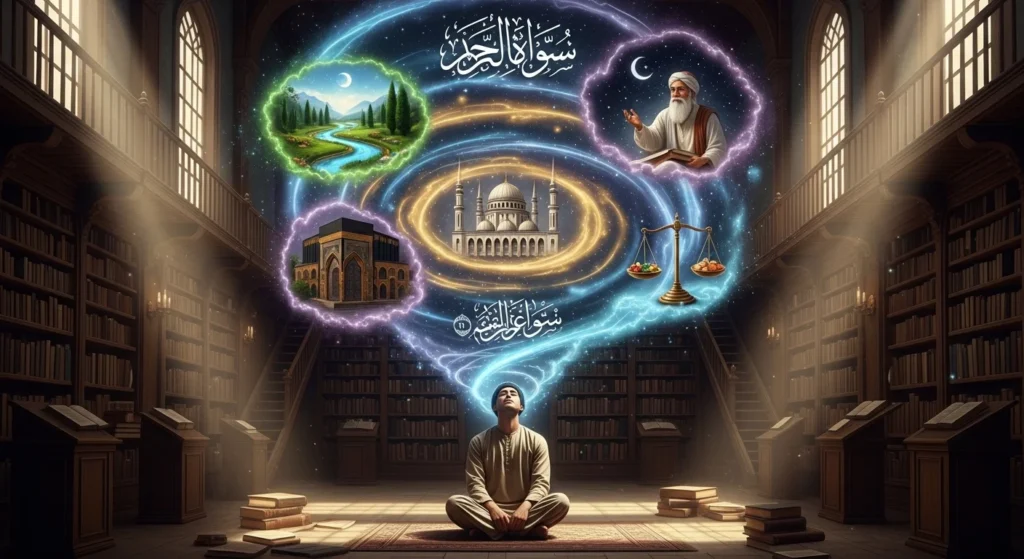
Dreams in Islam have always fascinated believers, offering a mystical glimpse into the unseen world. From glimpses of angels to symbolic warnings, these dreams carry spiritual messages that guide, comfort, and inspire. Understanding them can deepen your connection to faith while helping you navigate life with insight and clarity.
Whether it’s a Prophetic dream or a vision full of meaningful symbols, learning how to interpret your dreams in Islam opens the door to personal growth, reflection, and spiritual guidance. In this guide, we’ll explore the types, symbols, and practical tips to make sense of your dreams and uncover the wisdom they hold.
Meaning of Dreams in Islam 🕊️
Understanding the meaning of dreams in Islam is essential for interpreting spiritual messages. Dreams can be categorized as true visions, symbolic reflections, or whispers from Shaytan.
Here are 20 examples of Islamic dream interpretations and reflections:
Seeing a green field – blessings in life.
Water flowing – purity and guidance.
Losing teeth – caution or worry about family.
Flying – spiritual elevation.
Falling – warning or fear of failure.
Prophet appearing – guidance or reassurance.
Eating dates – sustenance and prosperity.
Prayer in dream – acceptance of worship.
Mosque visit – spiritual growth.
Angel appearance – divine message.
Darkness – confusion or spiritual trial.
Light – clarity and truth.
Snake – enemy or hidden threat.
Gold or silver – wealth or blessings.
Horses – strength and vitality.
Fruit trees – health and abundance.
Wedding – union or happiness.
Rain – mercy and forgiveness.
Fire – purification or warning.
Moon or stars – guidance and hope.
Types of Dreams in Islam 🌟
Islamic scholars categorize dreams into three main types: true dreams (ru’ya), false dreams (hulm), and symbolic dreams (tamayuz). Understanding the type helps interpret the message correctly.
20 examples of dreams and their types:
Seeing Allah’s creation – true dream.
Seeing Prophet Muhammad (PBUH) – true dream.
Nightmares – false dreams.
Repetitive dreams – symbolic or message-based.
Seeing deceased loved ones – could be true or symbolic.
Flying freely – ru’ya (true dream).
Falling – warning dream.
Meeting scholars – spiritual guidance.
Seeing water – reflection of purity.
Seeing a tree – stability in life.
Fire – warning or temptation.
Being chased – anxiety or false dream.
Losing money – symbolic caution.
Pregnancy – new beginnings.
Stars falling – calamity warning.
Angels – divine guidance.
Visiting Kaaba – spiritual blessing.
Eating halal food – reward in the hereafter.
Death – symbolic transition.
Riding animals – journey or strength.
Prophet Muhammad’s Teachings on Dreams 📖
The Prophet Muhammad (PBUH) provided guidance on interpreting dreams. He emphasized that some dreams are direct messages from Allah while others are distractions from Shaytan.
20 teachings and examples inspired by Hadith:
Share good dreams with loved ones.
Avoid revealing nightmares unnecessarily.
Pray for clarity in interpretation.
Good dreams are a form of glad tidings.
False dreams may come from Shaytan.
Seek guidance from knowledgeable scholars.
Reflect on spiritual state before interpreting.
Avoid relying solely on dreams for decisions.
Dreams can inspire action for good deeds.
True dreams rarely contradict Islamic teachings.
Fasting may influence spiritual dreams.
Prayer strengthens dream clarity.
Charity may bring favorable dreams.
Dreams often reflect subconscious thoughts.
Dreams can remind of moral duties.
Avoid arrogance in interpreting dreams.
Sharing dreams can foster faith.
Dreams may indicate personal growth.
Dreams can encourage gratitude.
Respect the spiritual nature of dreams.
Common Symbols in Dreams in Islam 🔮
Islamic dream interpretation often relies on symbols to convey spiritual messages. Recognizing these symbols allows for accurate reflection.
20 common symbols and interpretations:
Water – purification and mercy.
Fire – warning or purification.
Snake – enemy or temptation.
Birds – freedom or spiritual upliftment.
Green color – blessings and peace.
White – purity and righteousness.
Black – confusion or trial.
Moon – guidance and hope.
Stars – divine guidance.
Tree – stability and prosperity.
Keys – access to knowledge or power.
Doors – new opportunities.
Horses – strength and energy.
Animals – instinct or moral guidance.
Falling – caution or loss.
Flying – spiritual growth.
Mosque – faith and worship.
Prayer beads – devotion.
Holy books – wisdom and learning.
Angels – divine intervention.
How to Interpret Dreams in Islam 📝
Proper dream interpretation in Islam involves context, symbols, and spiritual state. Here are practical steps for understanding your dreams:
20 dream interpretation tips:
Note every detail immediately.
Reflect on emotional feelings in the dream.
Avoid panic over nightmares.
Compare symbols with Quranic references.
Seek scholarly guidance.
Pray for understanding.
Consider personal life circumstances.
Identify recurring patterns.
Separate reality from symbolic elements.
Avoid self-deception.
Keep a dream journal.
Share good dreams with righteous people.
Avoid sharing bad dreams publicly.
Maintain faith and patience.
Look for moral lessons.
Reflect on your spiritual actions.
Avoid superstition.
Focus on actionable insights.
Practice gratitude for meaningful dreams.
Remember Allah in interpretation.
Dreams About Prophets in Islam 🕋
Dreams featuring Prophets are considered highly significant in Islam. They are usually messages of guidance, reassurance, or moral inspiration.
20 examples of prophetic dream themes:
Prophet Muhammad (PBUH) smiling – glad tidings.
Prophet teaching – guidance on morals.
Prophet praying – encouragement to worship.
Meeting Prophet Yusuf – wisdom in challenges.
Prophet Isa – healing and compassion.
Prophet Musa – overcoming obstacles.
Prophet Ibrahim – faith in trials.
Prophet Dawud – leadership lessons.
Angels accompanying prophets – divine support.
Seeing the Kaaba with Prophet – spiritual elevation.
Prophet showing Quranic verses – guidance.
Dreaming of Hadith teachings – moral reflection.
Prophet forgiving – reminder of mercy.
Prophet giving advice – life lessons.
Prophetic journeys – spiritual growth.
Prophet guiding through tests – perseverance.
Dreams of companions with prophets – community blessings.
Prophet welcoming – spiritual reassurance.
Learning rituals from Prophet – proper worship.
Dreaming of prophetic gatherings – unity and guidance.
Prayers and Supplications in Dreams 🙏
In Islam, prayers in dreams may hold spiritual significance. Reciting supplications (duas) before sleep is believed to influence dream content positively.
20 prayers and spiritual wishes:
Dua for protection in sleep.
Prayer for guidance through dreams.
Night prayer before bed.
Seeking forgiveness in dreams.
Dreaming of family in prayer.
Gratitude in dreams.
Prayer for health and well-being.
Asking for blessings in dreams.
Seeking knowledge through dreams.
Dreaming of fulfilling obligations.
Prayer for spiritual clarity.
Supplication for prosperity.
Nightly remembrance (Dhikr) influencing dreams.
Dreaming of righteous acts.
Protection from evil visions.
Prayer for patience and faith.
Guidance in moral decisions.
Dreaming of angels during prayer.
Dua for loved ones’ protection.
Supplication for acceptance of deeds.
Using Dreams for Personal Growth in Islam 🌱
Dreams in Islam are not just visions—they can promote self-reflection and spiritual growth. Interpreting them wisely helps guide decisions and personal development.
20 ways dreams inspire growth:
Inspiring good deeds.
Reflecting on personal behavior.
Encouraging charity and kindness.
Highlighting moral responsibilities.
Motivating patience in trials.
Encouraging forgiveness.
Inspiring prayer consistency.
Reflecting gratitude.
Highlighting family responsibilities.
Motivating spiritual study.
Encouraging reflection on Quran.
Inspiring humility.
Highlighting self-discipline.
Motivating community service.
Highlighting fears to overcome.
Encouraging honesty.
Promoting empathy.
Motivating learning of Hadith.
Reflecting on intentions.
Encouraging trust in Allah’s plan.
FAQs
1. Are all dreams in Islam meaningful?
Not all dreams carry spiritual meaning. True dreams (ru’ya) often align with guidance or moral insight, while false dreams may come from Shaytan.
2. Can seeing prophets in dreams be trusted?
Yes, seeing prophets in dreams is considered a blessed and true vision. Such dreams usually convey guidance or reassurance but should align with Islamic teachings.
3. How can I interpret my dreams according to Islam?
Interpretation involves noting symbols, emotional context, and life circumstances. Consulting scholars and cross-referencing Quranic guidance helps ensure accuracy.
4. Are nightmares from Allah or Shaytan?
Nightmares are generally considered distractions from Shaytan. Muslims are advised to seek refuge in Allah, recite protective supplications, and avoid sharing the nightmare widely.
5. Should I act on my dreams?
Only act on dreams if they align with Islamic teachings and moral guidance. Dreams can inspire reflection or good deeds but should not override reason or Shariah principles.
Conclusion
Dreams in Islam are windows to the soul, guides for personal growth, and reflections of divine messages. From understanding symbols to seeing prophetic visions, dreams offer both spiritual insight and personal reflection. By studying dreams responsibly, keeping faith, and seeking guidance, you can transform your dream experiences into a source of wisdom and motivation. 🌙✨
Whether you’re a believer seeking spiritual clarity or simply curious about the hidden meanings in your dreams, Islam provides a rich framework to explore, reflect, and grow confidently.