
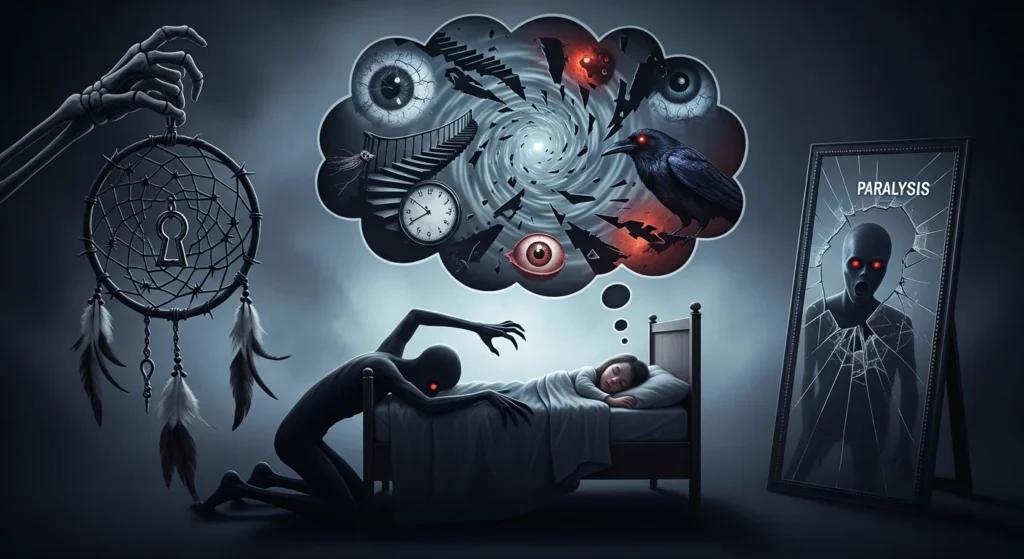
Dreams have fascinated humans for centuries, often giving us glimpses into the strange, mysterious, and sometimes terrifying corners of our subconscious. While most dreams are light or fantastical, some carry a creepy or unsettling vibe that leaves us waking up in a cold sweat. People search for creepy facts about dreams because they want to understand these eerie experiences—why they happen, what they mean, and how they can affect our minds.
Whether you’re a teen scrolling through memes, a dating app enthusiast sharing ghost stories, or a sleep science nerd, creepy dream facts can spark both curiosity and conversation. Let’s dive into the spine-chilling world of dreams you won’t forget.
Creepy Facts About Nightmares You Didn’t Know 😨
Humans are biologically programmed to experience nightmares for survival instincts.
Some people experience nightmare disorder, leading to repeated disturbing dreams.
Nightmares can trigger sleep paralysis, making you feel awake but unable to move.
About 3% of adults have frequent nightmares weekly.
Nightmares often involve threats to safety, like falling or being chased.
Children under 10 are more likely to experience monsters in dreams.
Stress and trauma directly influence the intensity of nightmares.
Nightmares can sometimes predict anxiety or depression if persistent.
Eating spicy food before bed can increase nightmare frequency.
Sleep deprivation makes nightmares more vivid and frequent.
Certain medications, like antidepressants, can trigger nightmares.
Nightmares are sometimes lucid, meaning the dreamer knows they’re dreaming.
Some people wake up with temporary hallucinations after nightmares.
Nightmares can evoke strong physical responses, like sweating or shaking.
Recurring nightmares often represent unresolved psychological issues.
Nightmares can make you feel emotionally drained the next day.
Some cultures view nightmares as messages from spirits or the afterlife.
Nightmares can involve deceased relatives or loved ones.
Certain sound frequencies during sleep can trigger nightmares.
Nightmares sometimes occur during REM rebound, after missing sleep.
Creepy Sleep Paralysis Facts That Will Scare You 😱
Sleep paralysis occurs when your body is asleep but your mind is awake.
Many report seeing shadow figures or dark entities during paralysis.
It can make you feel pressure on your chest, like a heavy weight.
Sleep paralysis is linked to narcolepsy but can happen to healthy people.
Some people experience auditory hallucinations, like whispers.
Sleep paralysis can last from a few seconds to several minutes.
It often happens when sleeping on your back.
Stress and irregular sleep schedules increase sleep paralysis likelihood.
Cultural myths often associate sleep paralysis with demonic visits.
People sometimes feel floating or out-of-body sensations.
Sleep paralysis can be triggered by alcohol or caffeine.
Some sufferers report invisible hands pushing them down.
Sleep paralysis has been mistaken for alien abductions.
Lucid dreamers sometimes manipulate paralysis into a dream.
Sleep paralysis episodes can leave you terrified of sleep.
Meditation and stress relief can reduce sleep paralysis frequency.
Hypnagogic hallucinations often accompany sleep paralysis.
The feeling of choking or suffocating is common.
Episodes are more frequent in teens and young adults.
Sleep paralysis provides a window into REM sleep mechanics.
Creepy Recurring Dreams That Haunt People 🧠
Recurring dreams often feature being chased by unknown entities.
Falling repeatedly is one of the most common recurring nightmares.
Some recurring dreams show lost teeth or body parts, symbolizing anxiety.
Dreams of being trapped are linked to control issues in waking life.
Recurring dreams often reflect unresolved childhood trauma.
Some people repeatedly dream about dying or funeral scenes.
Recurring dreams can be influenced by movies or games you play.
Seeing the same house or room repeatedly is common.
Certain sounds can trigger recurring dream sequences.
Recurring dreams may last longer than a typical dream.
Nightmares in recurring dreams are usually emotionally intense.
Some recurring dreams involve meeting deceased loved ones.
Lucid dreaming techniques can break recurring dream loops.
Recurring dreams sometimes predict real-life stress events.
Some people experience same dream across decades.
Recurring dreams can include being watched or followed.
Nightmares in recurring dreams can cause waking anxiety.
Dreams of drowning or suffocation appear in recurring patterns.
Certain colors or objects are repeated as symbols.
Recording dreams in a journal helps identify patterns.
Creepy Facts About Sleepwalking Dreams 💤
Sleepwalking occurs during deep sleep stages, not REM.
People often don’t remember sleepwalking events.
Sleepwalking can involve complex activities, like cooking.
Sleepwalking is more common in children than adults.
Stress, fatigue, and fever increase sleepwalking likelihood.
Sleepwalkers can walk outside or open doors unknowingly.
Some sleepwalkers experience night terrors simultaneously.
Sleepwalking can sometimes result in injury.
Genetics play a role in sleepwalking tendencies.
Sleepwalking may be linked to brain maturation delays in kids.
Certain medications may trigger sleepwalking episodes.
Sleepwalking episodes usually last a few minutes.
Sleepwalking can be accompanied by talking or mumbling.
Sleepwalkers rarely act out violent behaviors consciously.
Sleepwalking increases after sleep deprivation.
Environmental triggers like noise or lights can initiate sleepwalking.
Sleepwalking has been historically blamed on ghost possession myths.
Observation and gentle guidance are safer than waking sleepwalkers abruptly.
Sleepwalking may indicate underlying sleep disorders.
Practicing consistent sleep schedules reduces sleepwalking episodes.
Creepy Facts About Lucid Nightmares 🌑
Lucid nightmares occur when you realize you’re dreaming during a nightmare.
Lucid nightmares can be controlled with practice.
Some people experience heightened fear during lucid nightmares.
Lucid nightmares can trigger adrenaline spikes in the brain.
They are often used in nightmare therapy techniques.
Dream journals increase lucid dream awareness.
Some lucid nightmares involve chasing or being chased.
Lucid nightmares sometimes allow facing fears safely.
Sleep deprivation can intensify lucid nightmare frequency.
Meditation before sleep improves lucid control.
Certain supplements like galantamine can promote lucid dreams.
Lucid nightmares can involve falling or being trapped.
Some lucid nightmares are recurrent and predictable.
Lucid nightmares can enhance self-reflection and creativity.
Nightmares may end immediately after lucid realization.
Dream signs help recognize lucid nightmares.
Lucid nightmares may involve supernatural elements.
Practicing wake-back-to-bed methods increases lucidity.
Lucid nightmares are reported more by teenagers.
Understanding lucid nightmares can reduce sleep anxiety.
Creepy Facts About Hypnagogic Hallucinations 👻
Hypnagogic hallucinations occur as you fall asleep.
They often involve seeing shapes, shadows, or figures.
Sounds like whispers or knocks are common.
Some experience touch sensations, like being pushed.
Hypnagogic hallucinations can trigger sleep paralysis.
Stress and sleep deprivation increase occurrence.
They are completely harmless, though frightening.
Hypnagogic hallucinations can mimic alien or ghost encounters.
Brain chemistry during sleep triggers vivid imagery.
They are more common in teens and young adults.
Certain medications may increase hallucination intensity.
Hallucinations may include flying or floating sensations.
Some people experience time distortion during hallucinations.
Hypnagogic hallucinations are studied for brain function research.
They can be used to practice lucid dreaming.
Episodes usually last seconds to a minute.
Some people experience repetitive patterns or visuals.
Bright lights or phone screens may trigger visual hallucinations.
Recording experiences helps identify triggers.
Understanding these hallucinations reduces fear and anxiety.
Creepy Sleep Dream Theories That Will Freak You Out 🧩
Some psychologists believe dreams are brain attempts to process fear.
Sigmund Freud argued dreams reveal hidden desires or anxieties.
Carl Jung suggested nightmares reflect archetypes and collective fears.
Some scientists think dreams are random neuron firings.
Nightmares may enhance survival instincts in the subconscious.
Recurring nightmares often indicate unresolved trauma.
Sleep paralysis is theorized to be REM intruding into wakefulness.
Some dream theories connect nightmares to past life memories.
Dreams may simulate threats to prepare us emotionally.
Certain nightmares are evolutionary protective mechanisms.
Lucid dream practice may rewrite fear responses in the brain.
Sleepwalking is sometimes linked to incomplete sleep cycles.
Dreams can blend real memories with imagined threats.
Nightmares help in emotional problem-solving subconsciously.
REM sleep stimulates amygdala activity, linked to fear.
Hypnagogic hallucinations may reflect REM boundary activity.
Some researchers link nightmares to mental health forecasting.
Certain dream patterns repeat across cultures and history.
Sleep studies show nightmares trigger heightened heart rates.
Understanding dream science helps reduce sleep anxiety.
FAQs
Q1: Why do dreams sometimes feel so real and scary?
A1: Dreams feel real because your brain activates similar areas as when you’re awake, especially the amygdala, responsible for fear. Intense emotions can make nightmares feel lifelike.
Q2: Can nightmares predict the future?
A2: While nightmares can feel prophetic, they’re mostly reflections of subconscious fears, not actual predictions. However, recurring patterns may signal stressors to anticipate.
Q3: What causes sleep paralysis during dreams?
A3: Sleep paralysis happens when REM sleep mechanisms prevent movement, but the mind wakes before the body. Stress, sleep deprivation, or irregular schedules increase risk.
Q4: Are creepy dreams a sign of mental health issues?
A4: Occasional scary dreams are normal, but frequent nightmares may indicate anxiety, PTSD, or depression. Consult a professional if they interfere with daily life.
Q5: How can I stop having creepy dreams?
A5: Maintain a consistent sleep schedule, reduce stress, avoid heavy meals or caffeine before bed, and practice relaxation techniques. Keeping a dream journal also helps identify triggers.
Conclusion
Creepy facts about dreams reveal just how mysterious and fascinating our subconscious can be. From nightmares and sleep paralysis to lucid nightmares and hypnagogic hallucinations, understanding these eerie experiences not only fuels curiosity but also empowers you to manage fear and anxiety around sleep.
Next time you wake up from a spine-chilling dream, share it confidently, laugh about it with friends, or explore what your brain might be trying to tell you. Sleep may be strange, but it’s also an adventure in your mind!