
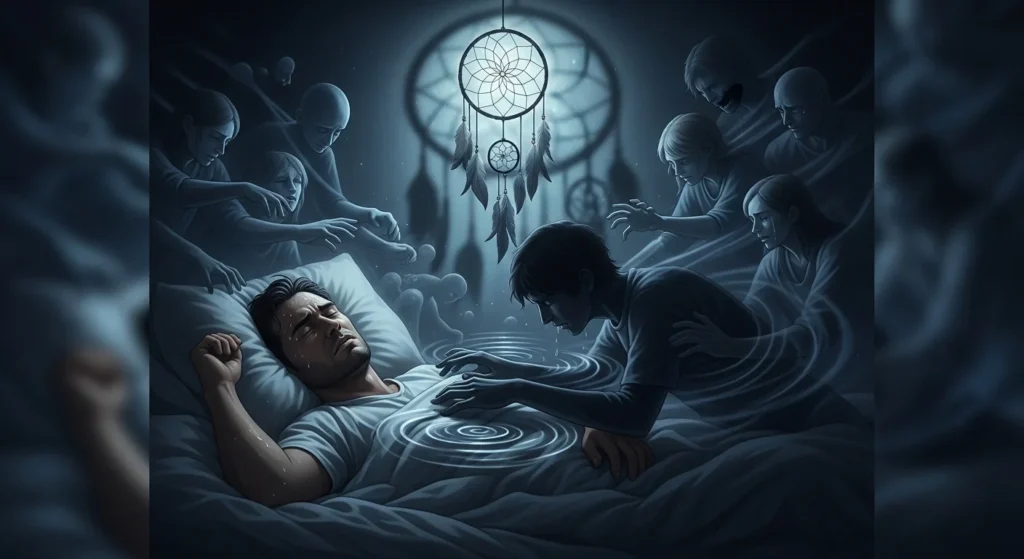
Have you ever woken up from a dream clutching your arm, wincing from a fall, or even feeling the sting of a bite—and wondered, “Why do I feel pain in my dreams?” 🤯 You’re not alone. Many people experience physical sensations in their sleep, and understanding this phenomenon can help you make sense of your nighttime adventures. Whether it’s a sharp pain from falling, a burning sensation from fire, or even the emotional ache of heartbreak, dreams sometimes blur the line between imagination and reality. In this guide, we’ll explore why your brain can trick you into feeling pain, what it means for your mental and physical health, and how to interpret these dream experiences in everyday life.
Why Do I Feel Physical Pain in My Dreams
“Ouch! Was that a dream stubbed toe or reality? 😅”
“May your dream aches remind you to listen to your body today.”
“Even in dreams, a little self-care goes a long way!”
“Dream pains often mirror unnoticed daytime discomforts.”
“Waking up sore? Maybe your subconscious has a message.”
“A dream bruise can be a metaphor for emotional bruising too.”
“Next time you dream a fall, remember it could be your muscles signaling rest.”
“Pain in dreams = brain practicing survival instincts.”
“Sometimes your body just really wants a nap 😴.”
“The mind can recreate sensations your body felt before sleep.”
“Pain in dreams can hint at stress your body is holding.”
“Even imaginary injuries can be surprisingly vivid!”
“A dream headache? Could reflect mental overload.”
“Physical pain in dreams can teach empathy for yourself.”
“Your nervous system doesn’t always distinguish dream vs. real pain.”
“A pinch in your dream might signal tension in your muscles.”
“Sometimes your dreams exaggerate minor aches for attention.”
“Remember: dreams feel real, but they rarely cause real injury.”
“Dream pains often fade faster than morning coffee ☕.”
“Every dream ache is a mini window into your body-mind connection.”
Emotional Pain in Dreams and Its Meaning
“Heartbreak in dreams = subconscious processing emotions ❤️.”
“Dreams let us cry safely without anyone seeing.”
“Loneliness in dreams? Your mind seeks connection.”
“Fear of rejection can feel like physical pain in dreams.”
“Grief sometimes visits us at night in symbolic ways.”
“Dream anger = safe outlet for frustrations.”
“Feeling loss in dreams helps emotional healing.”
“Dream anxiety often manifests as pain sensations.”
“Your subconscious may warn of emotional strain.”
“Heartache dreams = mind rehearsing coping mechanisms.”
“Love lost in dreams? Try self-compassion upon waking.”
“Dream sorrow can deepen empathy for others.”
“Painful emotions in dreams = sign of mental processing.”
“Dream sadness sometimes leads to creative insights.”
“Nighttime emotional pain is part of psychological growth.”
“Unspoken guilt may emerge as discomfort in dreams.”
“Dreaming of betrayal can feel physically sharp.”
“Emotional pain can sometimes convert into tension headaches.”
“Dream distress signals unresolved issues.”
“Every emotional dream ache teaches self-awareness.”
Nightmares and Pain: Why They Feel So Real
“Nightmares exaggerate pain sensations for emotional impact.”
“A terrifying fall dream? Your brain simulates real pain.”
“Nightmares can reflect daytime stressors.”
“Your nervous system can ‘activate’ dream pain signals.”
“Fear + imagination = painfully vivid experiences.”
“Dream monsters may bite, but your heart races for real.”
“Nightmares can show psychological conflicts physically.”
“Even imaginary threats trigger genuine pain sensations.”
“Sleep paralysis may amplify perceived pain.”
“Dream-induced sweating often accompanies pain dreams.”
“Nightmare pain is usually temporary and harmless.”
“Painful dreams = your brain practicing threat responses.”
“The intensity can be shocking, but safety is guaranteed.”
“Nightmares can act as emotional release valves.”
“Pain may feel real because your sensory cortex activates.”
“The more vivid the nightmare, the more intense the pain.”
“Nightmares can echo past physical traumas.”
“Dreaming of injury can be your brain’s rehearsal for danger.”
“Nightmares may make you more aware of your body.”
“After a nightmare, grounding yourself can reduce residual pain.”
Medical Reasons You May Feel Pain in Dreams
“Chronic pain during the day can appear in dreams.”
“Neurological disorders may create dream sensations.”
“Migraines sometimes trigger dream-related discomfort.”
“Muscle cramps can manifest as dream pain.”
“Restless leg syndrome may appear in your dreams.”
“Teeth grinding can produce jaw pain in dreams.”
“Fibromyalgia sufferers may experience dream aches.”
“Inflammation signals may persist into sleep.”
“Nighttime injuries might replay in dreams.”
“Pain dreams can sometimes alert you to health issues.”
“Sleep deprivation heightens sensitivity to dream pain.”
“Certain medications affect dream vividness and pain.”
“Injuries in REM sleep can influence dream scenarios.”
“Dream pain can indicate tension in specific body areas.”
“Your nervous system occasionally misfires at night.”
“Painful dreams can hint at untreated chronic conditions.”
“Consulting a doctor may clarify recurrent dream pains.”
“Dream discomfort is often linked to real-life aches.”
“Muscle fatigue may translate into dream sensations.”
“Recognizing medical triggers can reduce dream pain.”
Spiritual and Symbolic Meaning of Pain in Dreams
“Dream pain may symbolize emotional struggles.”
“Physical aches can reflect inner tension.”
“Some cultures interpret dream pain as spiritual messages ✨.”
“Painful dreams might reveal unresolved karma.”
“Dreams can be mirrors for inner conflicts.”
“A throbbing limb might represent guilt or burden.”
“Dream injuries = symbolic transformation.”
“Emotional lessons can appear as physical pain.”
“Dream pain may suggest areas for personal growth.”
“Some interpret dream pain as warnings from intuition.”
“Nighttime suffering can be part of soul healing.”
“Painful dreams encourage reflection and mindfulness.”
“Symbolic pain often represents suppressed feelings.”
“Dream aches can guide you to healthier choices.”
“Dream discomfort may align with spiritual awakening.”
“Some dreams transform physical pain into wisdom.”
“Dream suffering can inspire compassion.”
“Painful dream motifs are often archetypal symbols.”
“Nighttime pain can prompt emotional release.”
“Understanding dream pain deepens self-awareness.”
How Sleep Stages Affect Pain in Dreams
“REM sleep intensifies dream sensations.”
“Deep sleep may reduce awareness of physical discomfort.”
“Sleep cycles influence the vividness of pain dreams.”
“Dream recall is stronger during light REM phases.”
“Interruptions in REM can increase pain perception.”
“Painful dreams often occur during active brain stages.”
“The sensory cortex is active during REM.”
“Sleep quality affects dream intensity.”
“Stress disrupts sleep, amplifying dream pain.”
“Restful sleep may lessen painful dream frequency.”
“Dream pain is linked to body awareness during REM.”
“Sleep hygiene can reduce nightmares and discomfort.”
“Alcohol or caffeine can intensify dream pain.”
“Dream intensity peaks in later sleep cycles.”
“REM rebound may heighten dream discomfort.”
“Sleep positions can influence pain in dreams.”
“Dream vividness = greater emotional and physical simulation.”
“Light sleepers may experience more dream pain.”
“Sleep consistency helps manage nighttime sensations.”
“Healthy sleep minimizes disruptive dream pain.”
Tips to Reduce Pain in Dreams
“Stretch before bed to ease muscle tension.”
“Keep your bedroom cool and comfortable 🛏️.”
“Manage stress with meditation or journaling.”
“Avoid caffeine and alcohol before sleep.”
“Practice deep breathing to calm the nervous system.”
“Sleep on a supportive mattress and pillow.”
“Stay hydrated to prevent cramps.”
“Limit screen time before bed.”
“Maintain a regular sleep schedule.”
“Consider calming music or white noise.”
“Address chronic pain during the day.”
“Gentle yoga before sleep can relax muscles.”
“Avoid heavy meals late at night.”
“Keep a dream journal to track patterns.”
“Progressive muscle relaxation helps prevent dream aches.”
“Consult a doctor for recurring painful dreams.”
“Mindfulness exercises can reduce emotional dream pain.”
“Positive visualization may prevent nightmare pain.”
“Avoid overthinking before bedtime.”
“A consistent bedtime routine promotes peaceful dreams.”
When to Seek Professional Help for Painful Dreams
“Recurring painful dreams disrupting sleep? See a doctor.”
“Severe nightmares + physical pain may indicate sleep disorder.”
“Chronic dream pain could signal underlying health issues.”
“Sleep paralysis with pain? Consult a neurologist.”
“Persistent dream injuries? Discuss with a healthcare provider.”
“Insomnia from painful dreams needs expert attention.”
“Nightmares causing anxiety warrant professional guidance.”
“Painful dreams in children may require pediatric evaluation.”
“Medication side effects can appear in dreams.”
“Unexplained dream pain deserves a sleep study.”
“Consult if pain dreams affect daily functioning.”
“Psychological therapy can help recurring emotional pain dreams.”
“Track frequency and triggers for accurate diagnosis.”
“Certain mental health conditions influence dream pain.”
“Professional guidance helps interpret dream sensations safely.”
“Neurological assessment may clarify dream pain causes.”
“Specialists can distinguish dream pain from real injuries.”
“Sleep experts can suggest treatment strategies.”
“Painful dream patterns can indicate stress levels.”
“Early consultation prevents long-term sleep disruption.”
FAQs
Q1: Can real physical pain appear in dreams?
Yes! Your brain can incorporate physical sensations from your body into dreams. For example, if your arm is sore or a leg cramps, your dream may reflect that pain.
Q2: Does feeling pain in dreams mean I’m unhealthy?
Not necessarily. Occasional dream pain is normal and can result from stress, tension, or even previous minor injuries. Chronic or severe dream pain may require consultation.
Q3: Why do nightmares feel so painful?
Nightmares amplify emotional and physical sensations because your brain activates the sensory and emotional centers during REM sleep, making fear and pain feel real.
Q4: Can dream pain be prevented?
Yes! Proper sleep hygiene, stress management, stretching, and mindfulness can reduce the frequency and intensity of painful dreams.
Q5: Are there spiritual interpretations of pain in dreams?
Some cultures and spiritual practices see dream pain as symbolic of emotional struggles, personal growth, or messages from your subconscious.
Conclusion
Feeling pain in your dreams can be startling, mysterious, and even insightful. From physical sensations reflecting real-world aches to emotional pain processing subconscious feelings, dreams are a powerful window into your mind-body connection. By understanding the causes, recognizing patterns, and practicing healthy sleep habits, you can navigate dream pain with confidence—and maybe even wake up smiling instead of wincing 😄. Next time you ask yourself, “Why do I feel pain in my dreams?”, remember: your brain is simply keeping the adventure alive, one sensation at a time.